Swimming is one of the most repetitive sports in existence. Elite swimmers can complete over one million shoulder rotations per year in training alone. That repetition means overuse injuries are extremely common and without proper physiotherapy intervention, they can become chronic, career-limiting problems.
At Inspire Physiotherapy in Prudhoe, we regularly treat swimmers from recreational club level to competitive county standard. This guide explains the specific injuries we see most often, what physiotherapy assessment and treatment involves, and how to know when it’s time to come in.
The Most Common Swimming Injuries We Treat
Many swimmers are able to carry on training to some extent when they are injured, but you’ll need to tailor your training sessions to fit your current medical concerns.
Swimmer’s Shoulder (Shoulder Impingement / Rotator Cuff Tendinopathy)
The shoulder accounts for around 40–60% of all swimming injuries. The overhead mechanics of freestyle, butterfly, and backstroke put enormous repetitive load through the rotator cuff particularly supraspinatus and infraspinatus. Pain is typically felt at the front or side of the shoulder during or after swimming, and may progress to pain at rest if ignored.
Physiotherapy assessment will examine rotator cuff strength, scapular control, thoracic mobility, and stroke mechanics. Treatment typically includes manual therapy, a structured strengthening programme, and load management advice.
Swimmer’s Knee (Breaststroke Knee)
Unique to breaststroke swimmers, this is a medial knee pain caused by repetitive valgus stress on the medial collateral ligament (MCL) during the whip kick. Pain is felt on the inner side of the knee and is aggravated by the kick movement specifically.
Physiotherapy addresses hip abductor and external rotator strength, kick mechanics, and if needed, a temporary modification to training volume.
Neck Pain and Cervical Strain
Bilateral and unilateral breathing patterns in freestyle place asymmetrical rotational stress on the cervical spine. Swimmers who predominantly breathe to one side often develop muscle imbalances and joint stiffness at C4-C6 level.
Physiotherapy treatment includes cervical mobilisation, soft tissue work, and advice on breathing pattern correction.
Lower Back Pain (Lumbar Hyperextension Syndrome)
Butterfly and breaststroke require significant lumbar extension. In swimmers with poor core stability or tight hip flexors, this can lead to facet joint irritation or lumbar muscle strain. Pain is usually felt during or after practice and worsens with extension movements.
A physiotherapy assessment will evaluate core endurance, hip flexor length, and stroke pattern to identify the underlying driver.
IT Band Syndrome (in Triathletes and Open Water Swimmers)
Swimmers who also run or cycle particularly triathletes frequently present with lateral knee pain caused by IT band friction. Physiotherapy addresses hip abductor strength, training load, and lower limb biomechanics.
Swimmer Physiotherapy Following an Injury
Following an injury, the first thing you need to do is think about the best plan of action to help with your recovery. While you may think the ideal solution is to just take some time out of being in the pool, this isn’t the case at all for many people. In fact, the great thing about swimming is that it puts much less pressure on the bones and joints than other sports. Many swimmers are able to carry on training to some extent when they are injured, but you’ll need to tailor your training sessions to fit your current medical concerns.
Swimmer physiotherapy is one of the best tools for anyone who is currently experiencing an injury. It will help you to overcome the pain that you are feeling so that you can get back to doing the things you love every day. Our team will work alongside your coaches if needed to put together a plan to help you get your full range of motion back as soon as possible. The number one thing to keep in mind is that you’ll need to work with a sports physiotherapist for a little while to see good results. You may think that one session will change your body, but that isn’t usually the case at all. We’ll create a long-term plan to help look after you and ensure that you can enjoy swimming safely again in the near future.
What Happens at a Physiotherapy Assessment for a Swimming Injury?
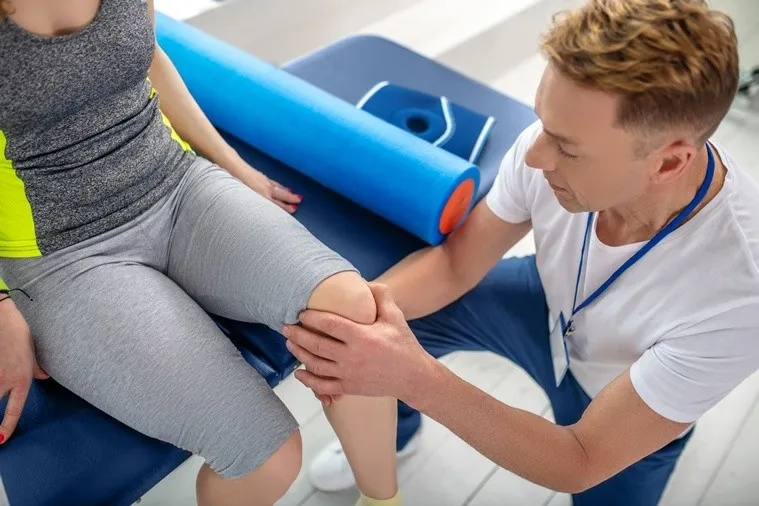
When you come to see us at Inspire Physiotherapy, your first appointment typically lasts 45–60 minutes and covers:
- Subjective Assessment: We’ll ask you about when the pain started, what stroke or training triggered it, your training volume, and any previous injuries. We’ll also ask about your goals, whether that’s returning to competition, staying in the water during recovery, or preventing recurrence.
- Physical Examination: Depending on your injury, this will include range of motion testing, strength assessment, postural analysis, and special orthopaedic tests to confirm the diagnosis. For shoulder injuries we routinely assess scapular control and thoracic mobility, not just the shoulder in isolation.
- Diagnosis and Treatment Plan: You’ll leave your first appointment knowing exactly what your injury is, why it happened, and what the rehabilitation plan looks like. We’ll discuss a realistic timeline and, where relevant, liaise with your coach on any training modifications.
- Hands-On Treatment : Where appropriate, manual therapy, soft tissue work, or dry needling may begin in the first session.
Injury Prevention: How Physiotherapy Keeps You in the Water
The majority of swimming injuries are overuse injuries they don’t happen in a single moment but develop gradually through training error, muscle imbalance, or technical faults. Physiotherapy swimming services can also help with injury prevention. They can help you to get back on track if you’ve been struggling with some pain recently but aren’t sure what the issue is. We can suggest exercises and techniques to use to prevent injuries in the future, which is one of the most important parts of a professional athlete’s job. We all know how easy it is for an injury to take us out of the pool, and if you’ve ever had this happen in the past, you’ll never want to experience is again. The most effective injury prevention approach addresses all three.
- Training Load Management: The most common cause of overuse injury is a sudden increase in training volume or intensity, adding an extra session, switching to a harder programme, or ramping up yardage before competition. We advise swimmers and coaches on progressive loading principles of training to reduce this risk.
- Identifying Muscle Imbalances: Swimmers typically develop strong internal shoulder rotators and chest muscles, with relative weakness in external rotators and scapular stabilisers. This imbalance if not corrected with dry-land strength work, is a primary driver of shoulder injury. A physiotherapy screening assessment identifies these imbalances before they cause problems.
- Stroke Mechanics: A physiotherapist can observe your swimming technique and identify mechanical patterns that increase injury risk, such as thumb-first entry (which increases shoulder impingement risk), dropped elbow pull patterns, or asymmetrical breathing. Where possible we liaise with your coach.
We recommend using a sports physiotherapist even if you aren’t experiencing an injury at the current time. They can help to make your life as an athlete even easier, and keep you enjoying your favourite sport for years to come.
Improve Your Athletic Ability
In order to perform to the best of your ability in the pool, you need to make sure your body is in top condition at all times. We encourage you to think about how you treat your body throughout the year, even when you aren’t competing as much in the off-season. Physiotherapy is something that professional athletes use on a weekly or monthly basis to tune up their body. It can help to identify areas of tension or pressure that you might otherwise overlook which could result in injuries in the future. Our team will be here to listen to any concerns you have about your body and ensure that we nurse it back to good health as soon as possible.
No matter what type of swimming stroke you most enjoy doing, there are risks of injuries at any point in your career. We encourage you to think carefully about how you treat your body at all times, and our team will be here to support you if you face any troubles in the future. The first time you feel pain or think you may be injured, it’s time to get in touch with us to ensure you don’t push your body too far in the pool. Even with the reduced pressure that swimming puts on your bones, it can still result in very serious injuries that could put you out of the pool forever if you aren’t careful.
Are you in need of sports physiotherapy for swimming? If so, get in touch with our team today to discuss your concerns and needs. We’ll be happy to answer any questions you have on the topic and work with you to get you back to your full health in the near future.
Physiotherapy for Swimmers in Prudhoe
Inspire Physiotherapy is based at Derwent House, Station Industrial Estate, Prudhoe NE42 6NP. We treat patients from Prudhoe, Hexham, Corbridge, Stocksfield, Blaydon, and across Northumberland and the Tyne Valley.
Frequently Asked Questions
1. Can I keep swimming while I have an injury?
It depends entirely on the injury. Many swimming injuries, particularly overuse conditions like rotator cuff tendinopathy or swimmer’s knee, can be managed with modified training rather than complete rest. Your physiotherapist will advise on which strokes to avoid, appropriate volumes, and what pain levels are acceptable to train through. Complete rest is rarely the first recommendation.
2. How long does recovery from a swimming injury take?
Recovery timelines vary significantly by injury type and severity. A mild rotator cuff strain may resolve in 4–6 weeks with physiotherapy. A more significant shoulder impingement or breaststroke knee may take 8–12 weeks of consistent rehabilitation. We will give you a personalised timeline at your assessment.
3. Should I see a physiotherapist before seeing my GP?
Yes, in most cases. Physiotherapists are autonomous practitioners and can assess, diagnose, and treat musculoskeletal injuries directly without a GP referral. This means faster access to the right treatment.
4. Do I need a referral to see you at Inspire Physiotherapy?
No referral is needed. You can book directly through our website or by calling 01661 898148.
5. Will my injury require imaging (MRI or X-ray)?
Most swimming injuries do not require imaging to begin treatment. A thorough clinical assessment is usually sufficient to diagnose and begin rehabilitating the injury. If imaging is indicated, your physiotherapist will advise you accordingly.